Estimated reading time: 7 minutes
Diagnosed with a rare chronic illness, one writer shares why information couldn’t heal her grief — and the five things she wishes she’d known sooner
—
When people talk about getting a serious diagnosis, they talk about the physical part. The tests and the treatments. The appointments you can’t get. No one warned me about what a diagnosis would do to my mind.
I was diagnosed with idiopathic intracranial hypertension (IIH) in the fall of 2021. It’s a rare condition where pressure builds up around the brain for reasons no one understands, and there is no cure. The first couple of months were the hardest of my life. Not because of the physical pain, though the pain felt enormous, unlike anything I had ever felt, a pain that fully engulfed me. It was the emotional and mental pain that left me breathless. I had never come up against an adversary this tough.
I could only work a few hours a day. I couldn’t sleep. One of my medications, a drug called Diamox, brought on violent nightmares, so I spent my evenings bracing for what dreams might come. It is a drug whose side effects I wouldn’t wish on my worst enemy. My mental toughness had never been tested the way IIH tested it. The pain was visceral and it was urgent, and there were nights it got so bad that I understood, at a gut level, how people become dependent on painkillers. When it hurts that much, you will do almost anything to make it stop.
Here is the thing I most want other people to know, because it’s the thing that cost me the most time: I tried to think my way out of it.
I am a researcher by nature. Information has always been how I calm myself down. So when I got sick, I did what I knew how to do. I spent hours in the dark on my phone, reading everything I could find about my condition. I told myself that if I just learned enough, I could crack the code and get my old life back. But somewhere in all that reading, I abandoned myself emotionally. I was so busy hunting for answers that I never stopped to feel what was happening to me. You cannot research your way out of grief. I know, because I tried.
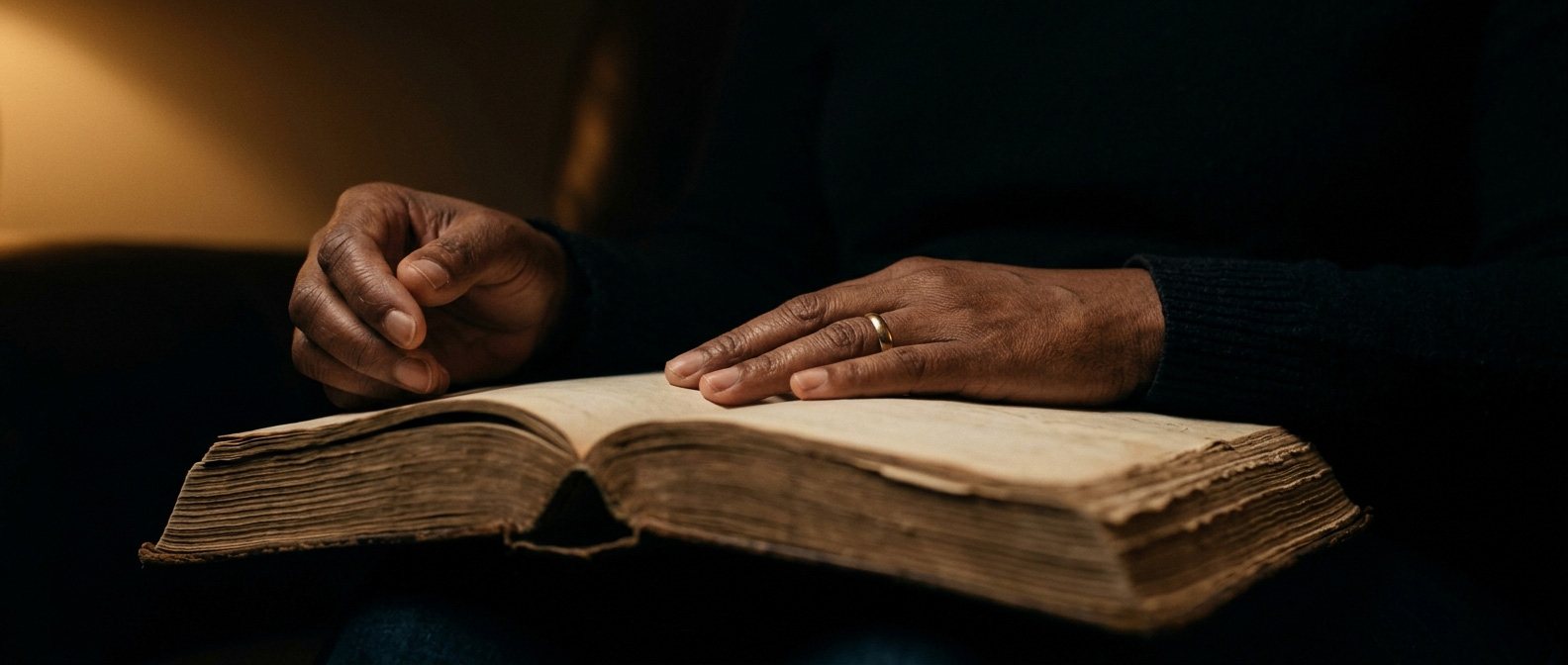
One night, unable to sleep, I went downstairs, and for no reason I could explain, I picked up our Bible and opened it to Psalms. I’m not a regular churchgoer. But I prayed however I knew how, and I felt a little bit better, and I fell asleep. It was a small thing.
It was also the first time in weeks I had reached for comfort instead of information.
Not long after, I hit a low point and realized I needed help. I needed support. I didn’t want to burden my husband, my family, or my friends, but I knew I needed someone to talk to about everything I was feeling. It was the middle of COVID, so finding a therapist wasn’t easy. I found someone online, and I was grateful just to have a person I could be honest with about how I was really doing.
That turned out to matter more than any article I ever read. I finally had a place where I could be myself. I could say how scared I was. I could cry. I could be sad and angry and confused all at once. Most of all, I could lay my worries down. I didn’t have to be strong. I didn’t have to be positive. I could just be me. When you’re living with a chronic condition, you are exhausted physically and emotionally, and more than anything, you just want to be heard.
If I could go back and tell myself a few things at the start, this is what I would say.
Give yourself a minute before you go into fix-it mode.
After the whirlwind of a diagnosis, your instinct may be to spring into action. Mine was. I wish I had given my body and mind a few days to catch up first. You just got hit with something huge. Let yourself land before you try to solve it.
Let yourself grieve, and call it what it is.
When you get a chronic diagnosis, you lose the life you thought you were going to have, and that is a real loss. For weeks I was confused about why I felt so low, like being depressed on top of being sick meant I was failing at both. I wasn’t. Naming it as grief was the first thing that made it lighter.
Get help sooner than you think you need it.
I waited too long. I kept telling myself I should be able to push through. Reaching out for support isn’t a sign that you’re weak or that you’re not handling it. It’s part of your care, the same as your medication or your appointments. And you don’t have to put it all on the people who love you. They can’t be your whole support system, and it isn’t fair to ask them to be. Outside help takes some of the weight off the people carrying you.
Find people who get it.
A lot of the loneliness of chronic illness comes from being surrounded by people who love you but have no idea what you’re really living. I found communities of people managing the same condition, and something loosened in my chest the first time I talked to someone who just understood. For Black women especially, that kind of support can be hard to find in a system that often doesn’t see us, so I’ll name a few places that helped me and people I love: Therapy for Black Girls, the Loveland Foundation, and BEAM, the Black Emotional and Mental Health Collective.
Let a good day mean something smaller.
Before I got sick, success meant big things. Landing the big client. Hitting a number no one thought I could reach. After my diagnosis, a successful day meant I worked three hours, took a nap, and made it through the side effects of my medication. That was the whole win. Learning to count small things as victories, a day without a headache, getting up the stairs without getting dizzy, was one of the most healing shifts I made. Your bar is allowed to move. Moving it isn’t quitting. It’s how you keep going.
I want to be honest that I didn’t feel better fast. It took time. But my life today is fuller than it was before I ever walked into that first appointment. My condition is managed. I’m more present with the people I love. I stopped punishing myself for not being able to do everything, which is probably something I needed to learn with or without an illness.
If you are in the low part right now, the part no one warns you about, hear me. It is not the whole story. The grief part is real and so is the way through it. You don’t have to do what I did and try to sort out your own feelings alone, in the dark, with a search bar. Put the phone down sometimes and let yourself feel it. Ask for help earlier than feels comfortable. You are carrying something heavy, and you deserve support while you carry it.
You may also enjoy reading Shaman Sickness: How Living Your Purpose Can Heal Chronic Illness, by Danielle LaRock.
