
Estimated reading time: 7 minutes
She thought burnout was the price of being a good Christian woman. A closer reading of her own faith — and her body — taught her otherwise
—
It was a typical Friday night. My kids had been asleep for hours, my husband was watching a movie in bed, and I was logging work hours, trying to catch up from the week.
It was a typical Saturday. My husband took our son to the park so I could clean the house in peace.
It was a typical Sunday afternoon. My kids were napping, my husband was watching football, and I was folding laundry.
That was my life for several years as a mom of three. I worked hourly and remote. The pros were clear: I could work as much as I wanted, any time I wanted, as long as I hit my deadlines. My team was mostly moms — flexible and supportive. It was an ideal job for a mother. The con: I was always working, whether for my paid job or doing domestic labor. I barely took maternity leave with my twins, just got far enough ahead that I could take a small break right after the birth and then pick things back up as soon as I could find a spare hour.
I couldn’t figure out what was wrong with me. I had been told I could have it all — and I was living my dream as a working mom. I’d tried full-time stay-at-home motherhood with my first kid and it wasn’t for me. By the time my twins were born, I had been working in digital marketing for over a year and I loved it. I also wanted to be a mother in a very specific, very involved kind of way.
I couldn’t have named it at the time, but I was burning out.
One afternoon, we were home attempting to potty train the twins before preschool started. I asked my husband to watch them for one hour so I could focus on work. I locked myself in our room and put on headphones. Five minutes in, I got a text asking me to come help — one of the twins had had an accident.
I was livid. I went to help, tight-lipped, then returned to my desk. Later I unleashed a barrage of frustration on him. I was tired of being the one with the flexible job who was always flexing. Tired of working nights, weekends, in-between moments. I was minding the children the vast majority of the time, doing the vast majority of the housework, and working a job with real responsibilities and a team that depended on me.
I could see the light at the end of the tunnel — the twins were set to preschool in a few weeks, which would give me two whole days a week with all three kids out of the house, since my older son had started kindergarten. So I swallowed it. I poured a glass of wine in the evenings while making dinner. It helped quiet my rage, kept me from picking fights when I wanted to be patient. I told myself I could hold on.
The pandemic arrived before the relief did. My husband and I made an hourly schedule — who would work when, who would mind the kids. He took primary responsibility for helping our kindergartner complete school over Zoom. We tried to hold the schedule and I kept hitting the same wall: working while everyone else rested, doing chores while the rest of the family played.
I sobbed to him again: “Why am I the only one who continually has to push herself to burnout to make our life work?”
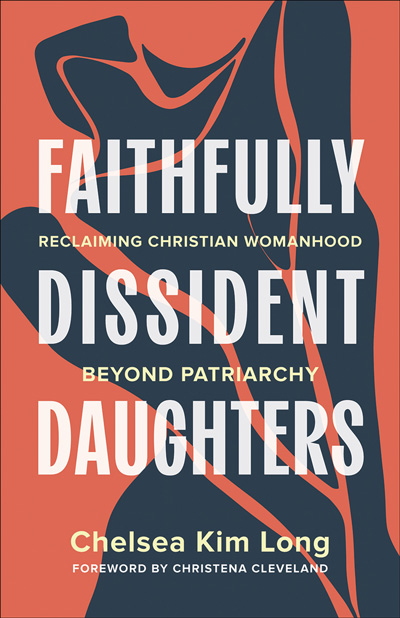
As a Christian, I had been taking guidance from the Bible my whole life. There’s a moment in Matthew 8 where Jesus heals a disciple’s mother-in-law, who had been sick in bed with a fever. The text says that once healed, she got up and began to serve him. That verse, in a lot of ways, sums up what I absorbed about women in the church: even your recovery is in service to others. I had internalized that productivity was holiness, emotions were weakness, and burnout was the cost of admission to being a good mom, a good wife, a woman capable of running a household and holding down a job. I spent years tracing how I got there — and that excavation eventually became a book.
It took me a long time to understand that this wasn’t a time-management problem. It was a theological one. I was never supposed to be able to hold it all — no one is. But I had been handed a framework that made my limits feel like personal failure. Eventually the burnout became depression, which is what happens when you ignore your body’s signals long enough that it starts to shut down. Depression made me doubt whether I even liked my life, despite being able to look around and see objectively that it was a good one. It trapped me under a cloud of ruminating thoughts I couldn’t trust.
For a while, I kept doing what I’d been told self-care was supposed to look like. A bath. A walk. The glass of wine. But self-care that only distracts from deeper issues won’t ever solve them — it just gives you something to do with your hands while the real problem waits. What I actually needed was space to go deeper. Eventually I decided to try an SSRI (selective serotonin reuptake inhibitor — prescription medicine used most often to treat depression and anxiety). I’ll also note the irony: I had been pouring wine every night to quiet my rage, telling myself I didn’t need medication. The wine felt cheaper and more in my control. I was wrong about that.
The medication became a turning point — not because I needed it forever, but because I needed enough mental and emotional room to actually address what was going on underneath. For the first time in years, I had the capacity to go looking.
What I slowly learned was to honor my limitations rather than blow past them. To ask for support and actually expect that the people around me would show up. To stop believing that struggling was a character flaw rather than a signal worth listening to.
I learned that when my body or my emotions say stop, that doesn’t always mean I have to stop — but it means I need to pause and listen before pushing through.
What surprised me was finding this wisdom already waiting for me in my own tradition. Psalm 127 says that God gives sleep to the beloved — that rising early and working late in anxious toil is, in the biblical framing, actually faithless. The command for Sabbath isn’t legalistic rule-following; it’s the tradition’s oldest argument that you were never meant to run at full capacity all the time. The theology that burned me out was a distortion. The tradition itself, read more carefully, had been trying to tell me something different.
And I learned that rest is not a bubble bath. It’s not a glass of wine. It’s a continual connection with that deep, wise part of me that actually knows what I need. Learning to receive my own inner signals as legitimate rather than inconvenient — that’s the practice. Being in touch with what I need, and trusting that it’s okay to ask for it, has allowed me to build a life that’s actually sustainable. One where I can hustle when I want to, but I also know when to stop, and I no longer judge myself for the stopping.
That’s what my body was trying to teach me all along. I just had to get quiet enough to hear it.
You may also enjoy reading Adrenal Fatigue: Diagnosing the Burnout Epidemic, by Aviva Romm, M.D..
