Estimated reading time: 6 minutes
A children’s book author’s spelling bee loss and medical school rejections inspired three ways to raise kids who see failure as fuel for growth
—
When I was a child, there was a spelling bee in the fourth grade that I really wanted to win. I was the kid who read book after book, story after story. Spelling words shouldn’t have been that hard, right? Wrong. As the rounds went on and child after child was eliminated from the competition, I couldn’t help but hope that I might have a chance to win. However, I didn’t even make it halfway. Unfortunately, I got tripped up by one word (and funny enough, if you ask me which word, I honestly could not tell you if my life depended on it). It was a challenge I did not see coming, and I lost. It was one of the first real failures and disappointments I remember experiencing.
I felt like the biggest failure and had one of the biggest cries I can remember. Looking back, I can’t help but laugh and wonder why I wanted it so badly. Sure, it would have been great, but trust me, I don’t think anyone would have really remembered that win. However, as a child, failure of any sort can feel absolutely devastating and heartbreaking. I remember my mom sitting me down and saying something along the lines of, “Honey, that’s okay. It will be alright.” But boy, it did not feel alright to me. A loss felt like a punch in the gut, and it hurt badly.
Nevertheless, I learned in that moment, and over time, is that “failure” does not mean I am a failure. It just means I did not succeed this time, not that I never would.
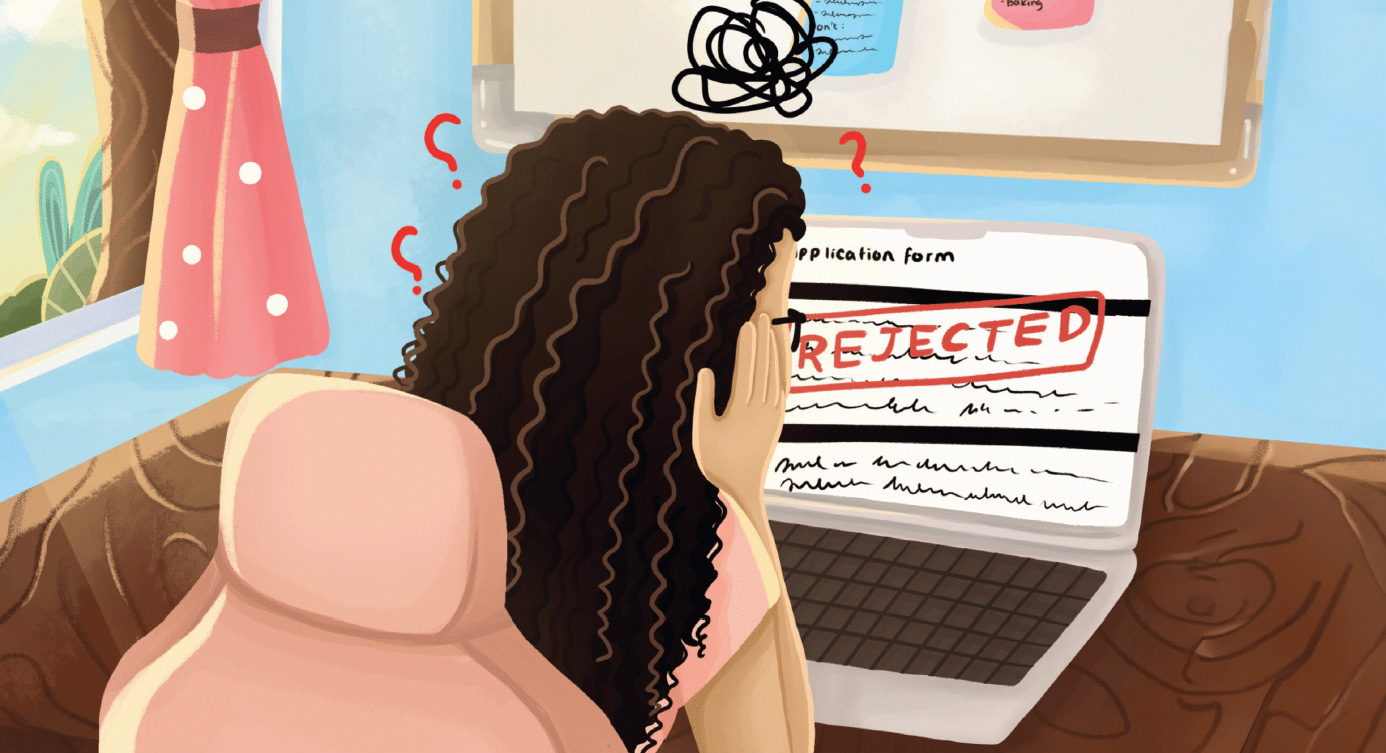
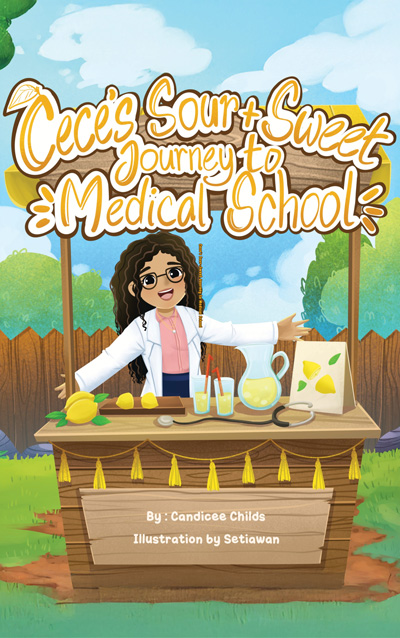
When I wrote Cece’s Sour and Sweet Journey to Medical School, I had many stories like this in mind—times I felt like I failed. Failure happens not only as a child but also as an adult, especially when applying to medical school and encountering rejection after rejection. I had no idea I would ever want to be a doctor, so when I tried time after time and did not make it, some of those same childhood feelings crept back up. However, I had learned to see those moments as opportunities for growth.
Inside Cece’s Sour and Sweet Journey to Medical School
A few images from the book (illustrations by Setiawan).
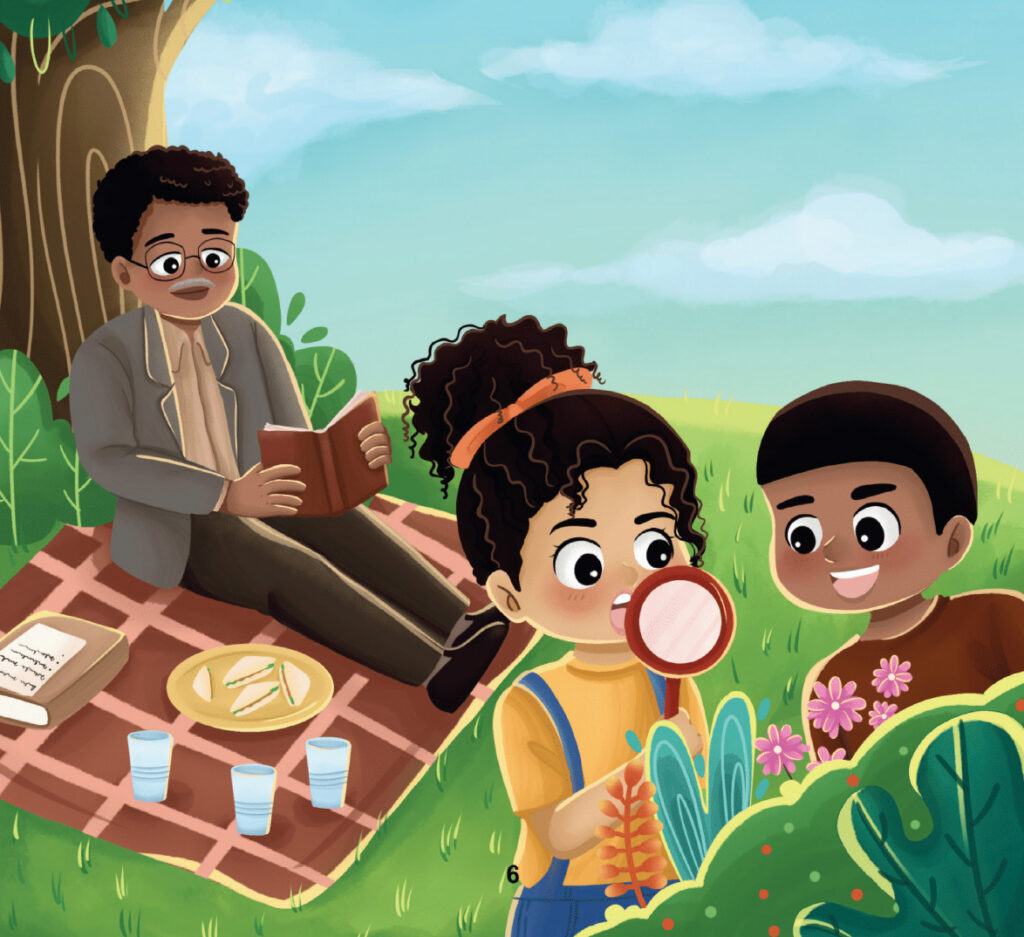
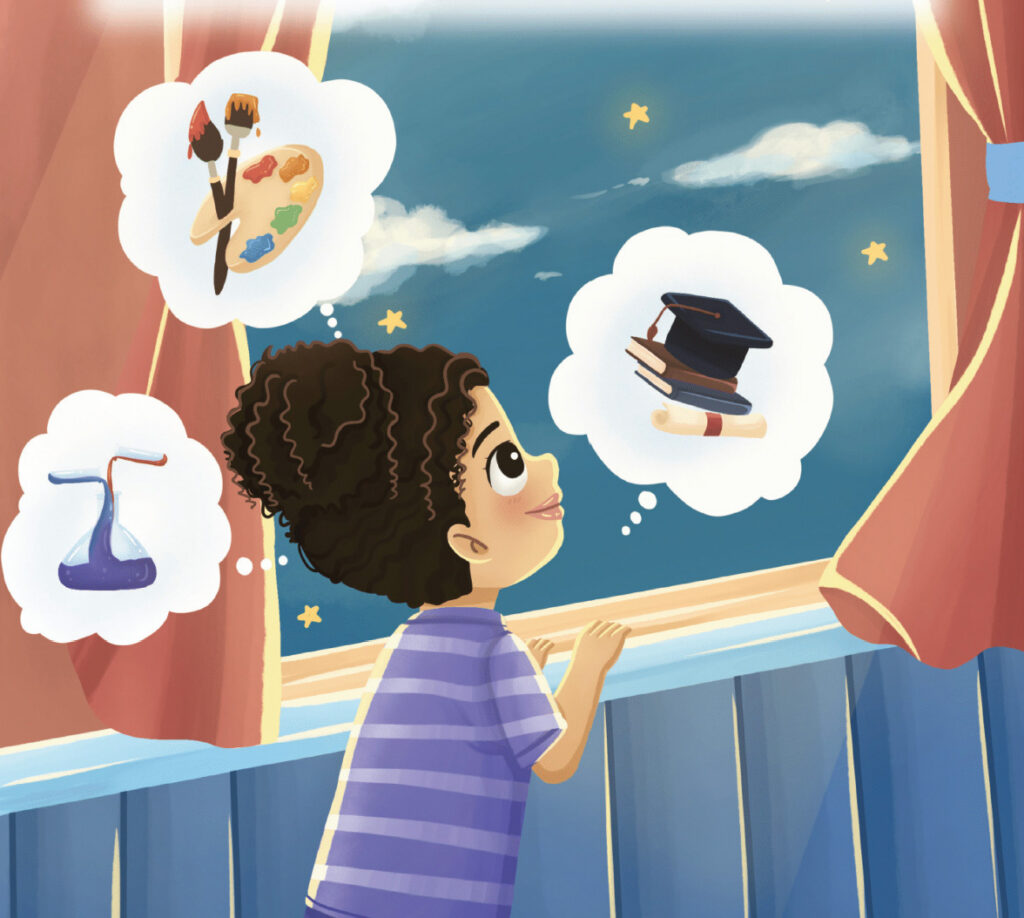
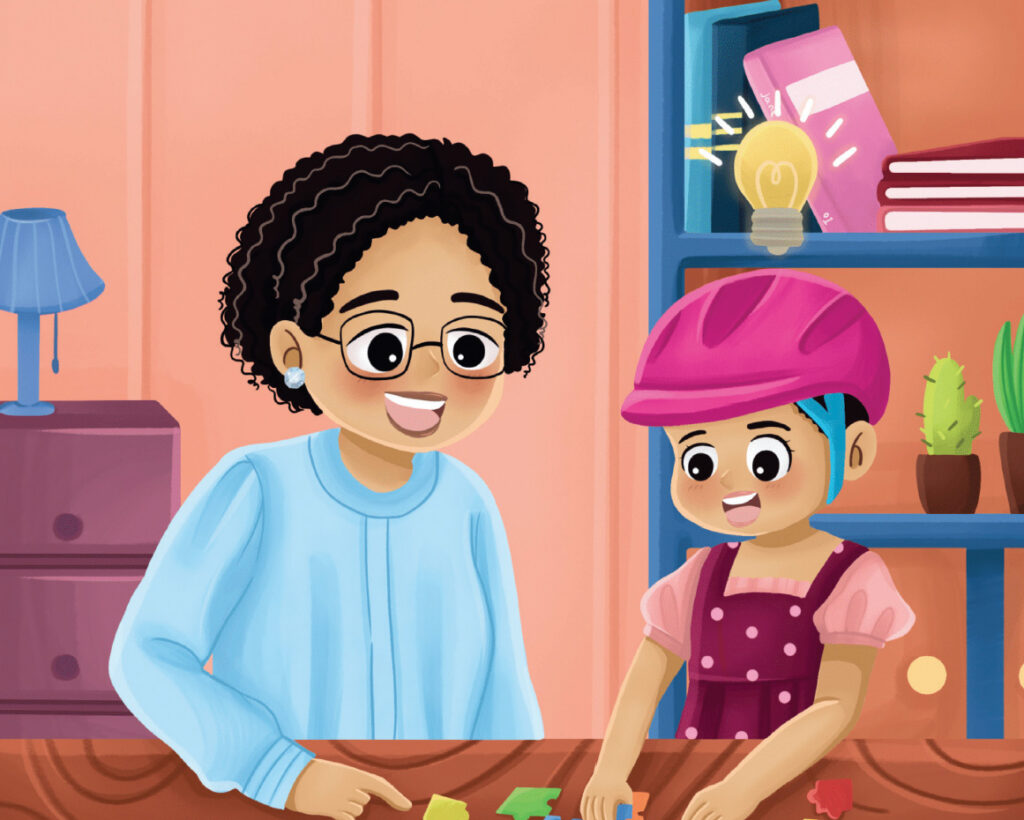
Instilling this mindset in children early can be incredibly powerful. By showing Cece going through struggles and continuing to push forward, I hoped to model for children the importance of never giving up. I wish I had fully understood this lesson early on as a child, but now, with this book, I hope to help instill it in others. As an aspiring child and adolescent psychiatrist, my hope is to encourage parents, teachers, and caregivers to do the same.
Helping kids become their best selves can feel like a huge feat and may add pressure to “do things the right way.” However, we can find positive ways to help kids navigate moments when they fall short. Learning how to manage these experiences is an important life skill.
Praise the Effort
One way is to praise effort rather than results. When we bolster children by praising their effort in the process, it builds confidence and helps them understand that not everything comes on the first try. It takes hard work to keep trying, and it is worthwhile to praise them for putting in that effort.
Give Love
Another way is to simply show them love and kindness. Tell them how much you love them and how proud you are of them, no matter the outcome. Reassurance of that love can strengthen their sense of self-worth.
Reframe Failure and Model It
Lastly, help them see failure as an opportunity for growth. Taken from my picture book, my favorite lines are:
“Failure is sour like lemons but can be made sweet like lemonade. It hurts to fail, but it can help you grow. You can learn from your failures—about your strengths, passions, and what motivates you to get up and go!”
There is so much truth behind these words. Reframing failure as an opportunity to improve and learn is powerful. No one is perfect, and helping kids embrace that imperfection allows them to see life as it truly is—challenging and imperfect, yet full of possibilities for success and growth. You can’t have only the sweet moments in life; they come with the sour, and that’s okay. The earlier we help children embrace this, the better. We can also model this for children by how we handle our own failures and by giving them books that embrace curiosity and trying new things, even if it means not being good at them. This can help reinforce these values and lessons.
Looking back, I realize my parents, grandparents, teachers, coaches and other family members each modeled this beautifully and created a safe space for us to be curious, try, and fail. My mother helped me see those failures as opportunities to grow, to learn what I was passionate about, and to explore parts of myself that ultimately enriched my life over time. I encourage anyone working with or caring for children to keep this in mind.
There are many things we can do to help kids become their best selves, and I hope these three tips can help. One thing my mother and I enjoyed crafting in my picture book was showing the process of going after your dreams and modeling for kids what failing and trying really involves: patience, time, perseverance, and seeing challenges as a way to learn more about yourself.
My hope is that you can use this story and these tips to help raise a generation of children who truly believe in themselves—understanding that the sour failures of life often come alongside sweet victories, and that truly is okay. The fourth-grade spelling bee may have felt like a failure at the time, but it became one of my earliest lessons in resilience.
You may also enjoy reading Happy Right Now: Empowering Children To Find Happiness Within, by Julie Berry.
