Estimated reading time: 5 minutes
A son’s slow path from a father’s abuse to freedom — through three hard shifts: awareness, acceptance, and action
—
Healing is often described as a breakthrough moment — a realization, a release, a turning point where pain finally loosens its grip and in the case of forgiveness, all is brought back to the way it was before the wrong.
My experience was different.
Healing arrived slowly and unevenly, through what I now understand as three difficult shifts: awareness, acceptance, and action.
I. Awareness
I became aware of what had happened to me slowly, by watching other fathers with their sons.
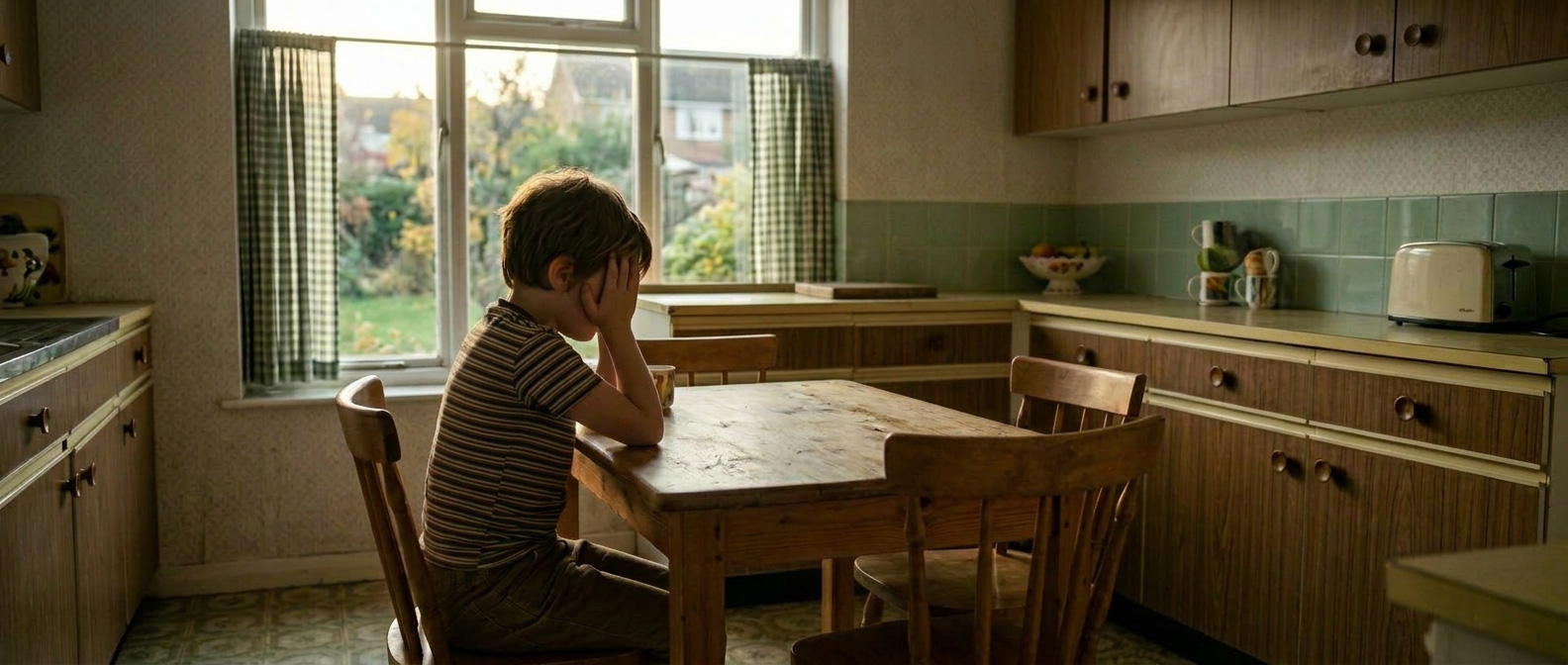
My friends’ dads laughed with them. Taught them. Talked with them around kitchen tables. They got frustrated, raised their voices, lost patience.
But they never hit them the way my father hit me.
Once I understood, my healing process took a form I didn’t expect. I waited. For years, I believed my father would one day look me in the eye and say the words I carried like a prayer:
I’m so sorry.
But those words never came.
Instead, my own healing began slowly, quietly.
It started the moment I stopped exhausting myself trying to outrun what had happened to me — or waiting for someone in my family to finally acknowledge that how I was treated was wrong.
I was always an anxious child. Shy. Watchful. Perceptive in ways I didn’t understand. At the time, I could not connect those traits to the life I was living.
But as I compared myself to others, small realizations began surfacing. Sometimes they arrived with a jolt. More often, they came softly, like a feather brushing against consciousness.
Awareness did not simply show me what had happened to me.
It showed me how it continued living inside me long after the moments themselves had passed.
Most of these realizations came well into my twenties, years after my father had died. I began recognizing pieces of myself that no longer felt accidental.
II. Acceptance
I knew from childhood that I was a people pleaser. I felt most valuable when I gave something to someone else — a gift for my mother, a favor for a neighbor, some act that made me feel useful.
As I grew older, those instincts deepened. I routinely compromised myself to go above and beyond for bosses, friends, even strangers, without hesitation.
I wasn’t seeking praise. The behavior was reflexive.
I also carried an overwhelming fear of conflict. Any sign of confrontation could weaken my knees and send tremors through my body. But it rarely surfaced openly because I had structured my life around avoiding disruption at all costs.
Raised voices unsettled me. Aggressive body language tightened something deep inside me. Even witnessing anger that was not directed at me could leave me physically shaken.
Slowly, I began understanding that these reactions were not personality flaws.
They were adaptations. I had become affected by everyone but myself — and by one man in particular.
But that was my reality and I was fully aware of it.
Awareness showed me the wound. Acceptance taught me to stop fighting its existence.
I used to believe forgiveness meant letting someone off the hook.
What I eventually learned was that healing began when I stopped keeping myself on it.
Acceptance was not surrender. It was not approval. It was not pretending the past did not matter.
It was the gradual decision to stop building my emotional life around a wound I could no longer change.
My father was gone by then anyway. Imagining a confrontation with him felt like confronting mist.
And even if he had still been alive, I began realizing something important: I did not need to absolve him in order to free myself.
The hook remained in me as long as I needed the past to become something other than what it was.
Healing began when I understood that my experiences had shaped me — but they did not have to define me.
So far, those experiences had shaped me into a successful, career-driven, well-liked man with a drinking and drug problem no one knew about — someone who could not sustain a healthy relationship or even care for his own declining health.
III. Action
My healing journey began with a health scare and a voice.
The voice was my own, yet it felt unfamiliar. It came from somewhere deeper than fear
— a place still capable of hope despite the shame, wasted years, and exhaustion I carried.
Slowly, that voice led me toward boundaries, most of them with myself.
It pushed me toward therapy. Toward a quieter spirituality grounded not in fear or doctrine, but in stillness, reflection, and compassion. Toward honesty, beginning first with myself.
At first, these things appeared only as possibilities. Then, slowly and hesitantly, they became practice.
But healing did not arrive all at once.
It accumulated through repeated acts of courage so small they were almost invisible.
Some days I moved forward. Some days I stalled. Some days I circled back into old fears, old habits, old grief.
Healing was never linear. It was movement.
Anyone who speaks of healing as a finished state — as though one day you simply stand before the beauty of life and declare yourself complete — misunderstands its nature entirely.
Healing does not erase the road behind you. It changes the way you walk forward.
The road remains. There are still moments of stumbling, fear, grief, and doubt. But there is also awareness. Acceptance. Action.
And with each step, however imperfect, life opens a little wider.
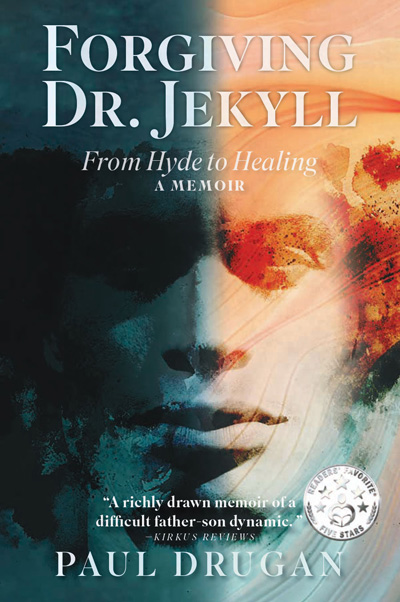
You may also enjoy reading Becoming Myself: Making Peace with a Traumatic Childhood, by Roberta Kuriloff.
